



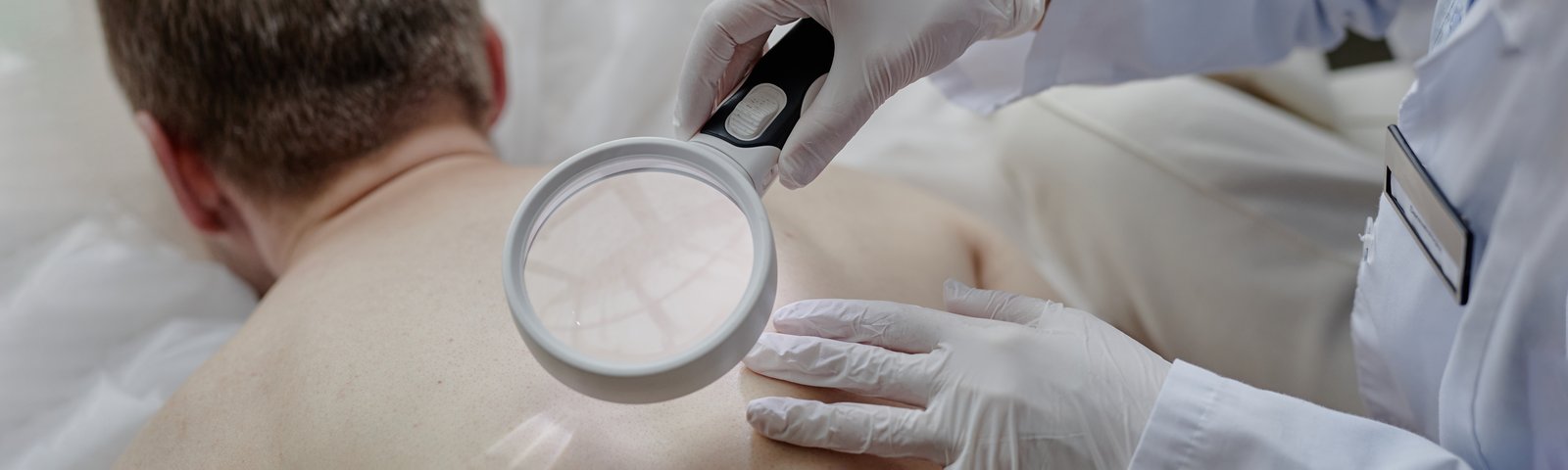
Most people are back to their normal activities within about a week after Mohs micrographic surgery, though the wound itself takes longer to finish healing. The surgery happens in stages during a single visit, and the recovery that follows is mostly careful wound care rather than downtime. Here is what the days after surgery usually look like.
First, What Happens During the Appointment
Mohs surgery removes skin cancer one thin layer at a time. After local anesthesia numbs the area completely, your dermatologist removes a layer of tissue, maps it, and examines it under a microscope while you wait. If cancer cells remain, another precise layer comes off and the process repeats until no cancer cells are found.
That stage-by-stage checking is why the appointment can run long. The Skin Cancer Foundation notes that if more than one or two rounds are needed, the entire process can take up to several hours. It is also why the technique is so effective: cure rates reach up to 99% for a skin cancer that has not been treated before, and up to 94% for one that has come back after previous treatment.
The First 48 Hours
Leave the original dressing alone. Keep the initial dressing on your wound undisturbed for the first 24 to 48 hours, or as long as your surgeon directs. This is the period when the wound is most vulnerable, and the dressing is doing real work.
Use ice the way you were told to. Applying ice or cold packs regularly in the days after surgery helps limit swelling and bruising. Never put ice directly against the skin.
Expect some discomfort once the anesthesia wears off. The surgery itself is not painful because the area is numb, but the hours afterward can feel sore. Your dermatologist will tell you what to take.
Wound Care After the First Dressing Comes Off
Once the initial healing period has passed, wound care becomes a twice-daily routine, or whatever schedule your surgeon sets:
- Clean the wound with 3% hydrogen peroxide or mild soap.
- Apply petroleum jelly (Vaseline®) to keep the area moist.
- Cover it with a non-stick dressing.
Keeping the wound moist and covered matters more than most people expect. Dried-out wounds heal slower and scar more.
Activity: What to Skip and for How Long
Avoid strenuous exercise and heavy lifting for at least a week. The concern is tension on the wound — anything that pulls on the healing edges can widen the eventual scar or restart bleeding.
Most people can return to normal activities within a week. How long full healing takes varies with the location and size of the tumor and the type of reconstruction that was done, so your own timeline may be shorter or longer than someone else's.
Scars, and How to Treat Them
All surgery leaves a scar. Mohs tends to leave a smaller one than other methods because it removes the least amount of normal tissue — but a scar is still a scar, and how you care for it in the first year shapes how it settles.
Once the wound no longer needs a dressing, protect the scar with sunscreen (SPF 30 or higher) and a protective hat whenever you are in the sun. New scars discolor easily with sun exposure.
Getting Home Afterward
Arrange a ride. It is generally recommended that someone drives you home after the surgery, especially if the surgery is near the eyes or if you have taken anything that makes you drowsy. A long appointment plus a fresh surgical wound is not the day to drive yourself.
Questions Are Part of Recovery
Your surgeon provides specific aftercare instructions, and those instructions are the ones to follow — the guidance here is general. If anything about your wound worries you, or the instructions and your experience do not match, call the office rather than waiting for your next appointment.
Skin Cancer Care in Bakersfield
Bakersfield Dermatology & Skin Cancer Medical Group treats skin cancer at 4100 Empire Drive, Suite 120, Bakersfield, CA 93301. If you have been told you need Mohs surgery, or you have a spot that has not healed and want it examined, call 866.903.3376 or request an appointment.
Frequently Asked Questions
How long does Mohs surgery take?
It is done in stages during one visit, and each stage includes a wait while the tissue is examined under a microscope. The Skin Cancer Foundation notes that if more than one or two rounds are needed, the entire process can take up to several hours. Plan for a long appointment rather than a quick one.
What does Mohs surgery feel like?
The surgery itself is not painful because local anesthesia completely numbs the area first. There may be some discomfort after the anesthesia wears off, which your dermatologist will tell you how to manage.
Should someone drive me home?
It is generally recommended that someone drives you home, especially if the surgery is near the eyes or you have taken anything that makes you drowsy.
Will Mohs surgery leave a scar?
All surgery leaves a scar. Because Mohs removes the least amount of normal tissue, it tends to leave a smaller scar than other methods. Protect the healing scar from the sun with SPF 30 or higher and a hat.
Sources: The Skin Cancer Foundation, Mohs Surgery (updated October 2025) — cure rates, staged process, local anesthesia, appointment length; and Bakersfield Dermatology's own Mohs Micrographic Surgery page — surgical steps, wound care, activity limits and recovery expectations.